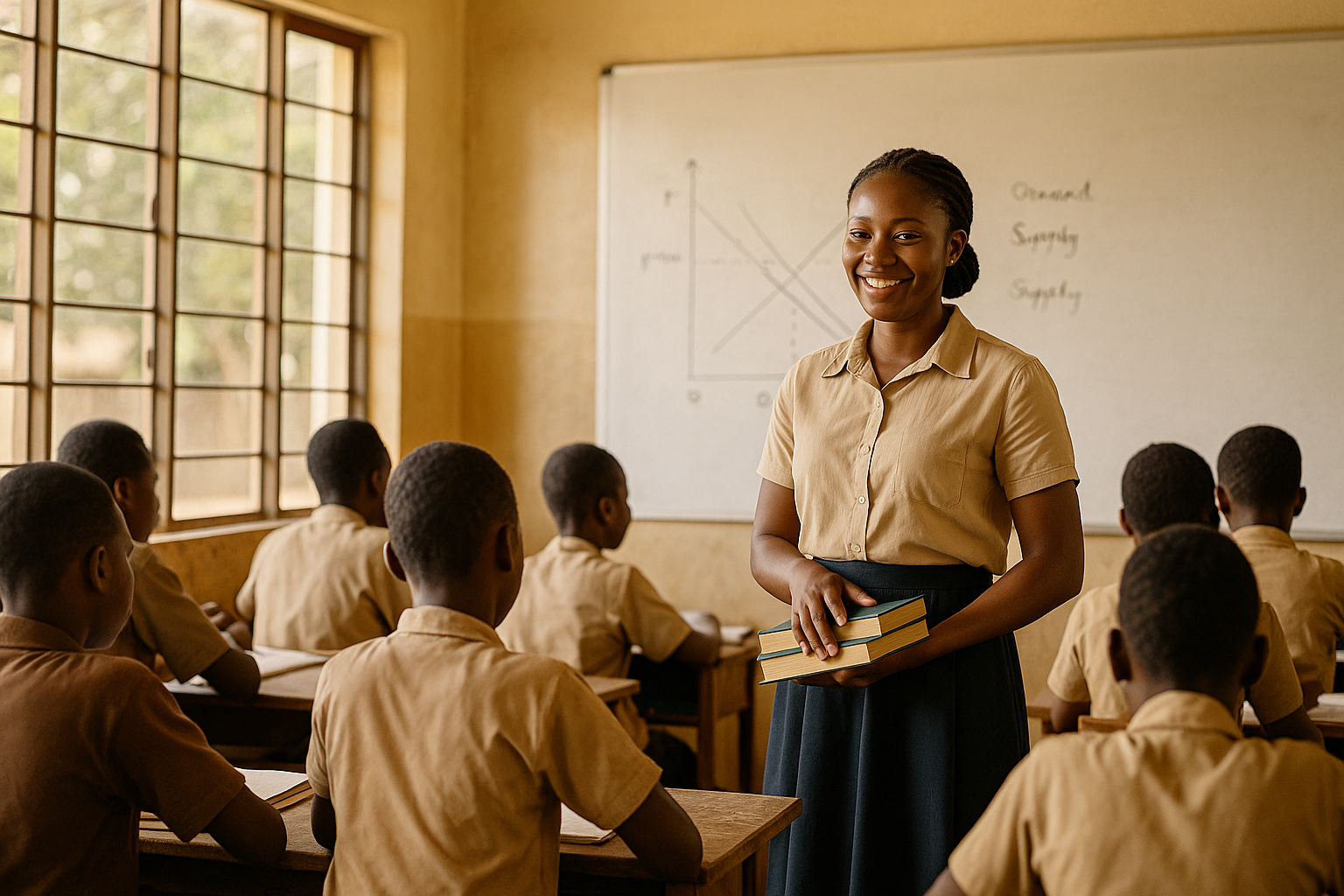
Geography Revision Tips for GCE and Secondary School Students
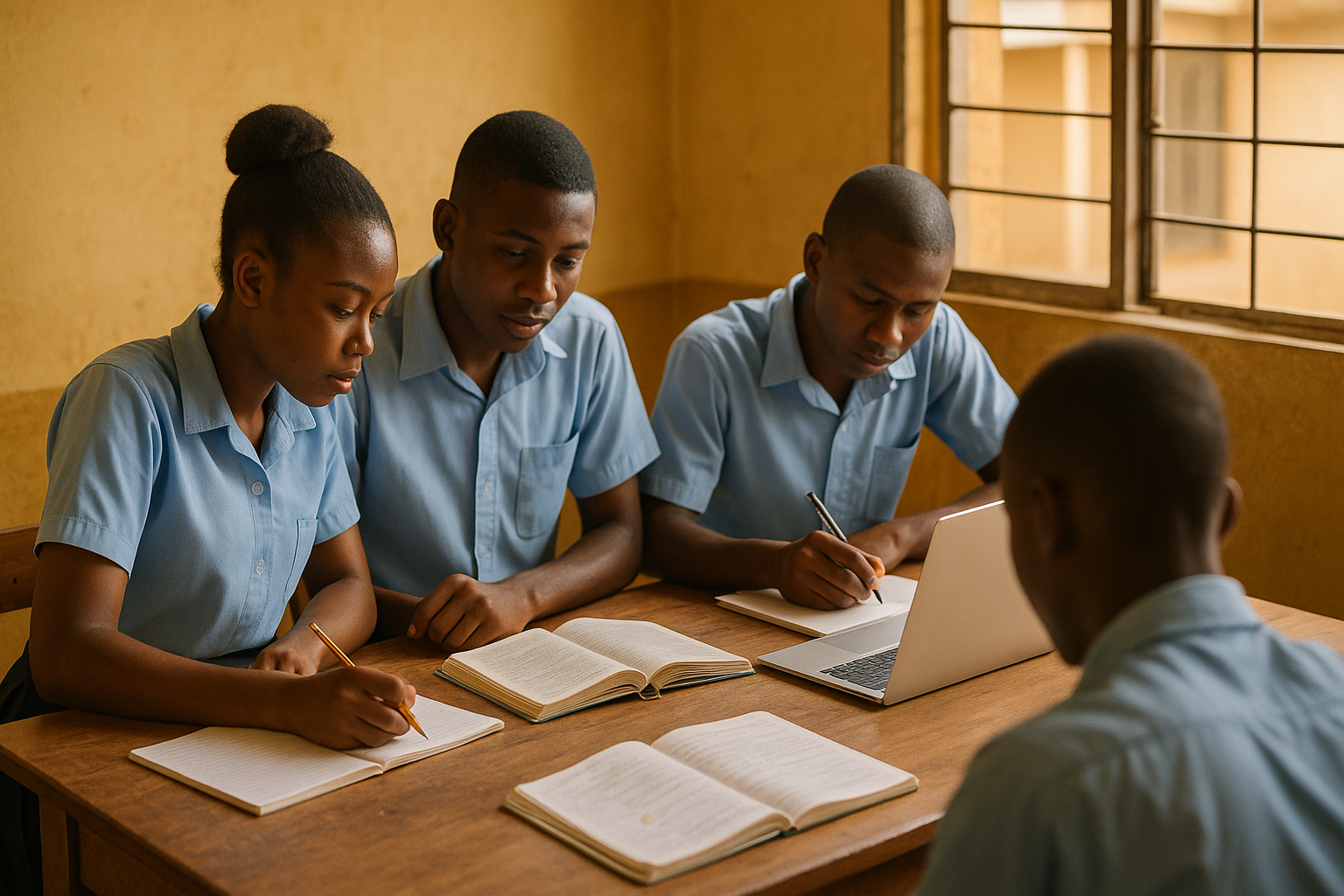
Geography revision tips for GCE and secondary school students should be practical, regular and tied to the way the subject is examined. In Cameroon, learners at BEPC, Probatoire, GCE O Level and A Level, and Baccalauréat level need more than reading notes: they must revise maps, definitions, case studies, diagrams and essay plans in a smart way.
Start revision with the syllabus, not random chapters
Many students revise Geography by opening the textbook at any page and reading for a long time. That feels like work, but it often misses the point. A better method is to begin with the syllabus or the topics your teacher has covered, then make a simple checklist: climate, population, agriculture, transport, industries, relief, weather, settlement, map work, and any Cameroon or regional case studies required by your class.
For GCE, Probatoire or Baccalauréat classes, the syllabus gives direction. It tells learners what to know, what to compare, and what kind of answers to prepare. Teachers can help students divide revision into small topics, one by one, so that they do not confuse physical geography with human geography or mix up causes, effects and solutions.
- Write each topic on a revision checklist.
- Tick only when the student can explain it without looking at notes.
- Revise weak topics first, not the easiest ones.
Use short notes that force understanding
Geography contains many terms that sound familiar but need precise meaning: erosion, deposition, urbanisation, vegetation belt, migration, contour, river capture, and others. Students should not copy long textbook pages. Instead, they should write short revision notes in their own words, using headings, key points and examples from Cameroon or neighbouring countries where relevant.
A good revision page should fit on one sheet if possible. For example, under ‘River erosion’, the learner can write definition, processes, landforms, and one local example such as a river valley or floodplain studied in class. This makes revision faster and helps memory. Teachers may encourage students to rewrite a topic from memory, then check the textbook only after finishing.
- Use one page per topic or subtopic.
- Keep definitions short and accurate.
- Add one local example for each major idea.
Revise maps, sketches and diagrams every week
Geography is not only reading. It is also drawing and interpreting. Many students lose marks because they cannot label a map, draw a cross-section, or explain a rainfall graph. Revision should therefore include regular practice with outlines, contours, drainage patterns, settlement sketches, and climate graphs.
Teachers can ask learners to redraw a map of Cameroon, the South West region, the Western Highlands, the Benue basin, or any study area used in class. The aim is not artistic beauty. The aim is clarity: title, orientation, key, labels and neat spacing. For contour work, students should practise reading steep slopes, gentle slopes, valleys and hilltops. For graphs, they should learn to say what the pattern shows, what causes it and what its effect is on farming, transport or settlement.
- Draw from memory, then correct with the textbook or atlas.
- Always include title, key, scale or labels when needed.
- Practise explaining what the map or diagram means, not only drawing it.
Turn essays and short answers into plans before writing
In many Geography examinations, students are asked to explain, describe, compare, account for or discuss. These words matter. A learner who writes everything they know without structure may waste time and miss the real demand of the question. Revision should therefore include answer planning.
A simple exam plan can have three parts: introduction, main points, and conclusion. For example, if the question is about factors influencing settlement in a rural area, the student should think first of relief, soils, water supply, transport, economic opportunities and security. Then each point must be explained with examples. For comparison questions, learners should organise points in pairs, showing similarities and differences clearly. Teachers should practise this often in class, because strong planning improves both speed and clarity.
- Underline command words in every question.
- Write 3 to 5 main points before drafting the answer.
- Use examples to support each point, not just general statements.
Make revision active: speak, test, teach and correct
Reading alone is too passive for Geography. A stronger method is active revision. Students should close their books and try to explain a topic aloud as if they were teaching a friend. They can define a term, describe a process, and give one example. If they get stuck, they should return to the notes and try again.
Teachers can organise quick pair work: one learner asks questions, the other answers; then they switch. Short quizzes at the beginning or end of a lesson also help. For instance, ask students to name river landforms, types of rainfall, causes of rural exodus, or functions of transport. When the answers are corrected immediately, learners remember better. If you need extra help preparing these materials, LessonForged is a web app for teachers that writes lesson slides and detailed notes from a topic, builds exams with answer keys and marking schemes, offers interactive science and maths simulations, works in English and French, follows Cameroon curricula, and exports to PowerPoint and PDF.
- Use flashcards for key terms and definitions.
- Revise in pairs and ask each other questions.
- Correct mistakes immediately so they do not become habits.
Build a revision timetable that fits the school week
A revision timetable should be realistic. Students in Cameroon often have many subjects, homework, tests and family duties. If the plan is too heavy, they abandon it. A better approach is to choose short revision sessions and assign one clear task to each session: one topic, one map exercise, one essay plan, or one past-paper question.
Teachers can encourage learners to alternate topics so that they do not become tired of one area. For example, after revising population, they can move to relief or climate. On some days, the student may revise alone; on others, they may work with a friend or small group. The important thing is consistency. Revision should happen over time, not only when examinations are near. Students in O Level, A Level, BEPC, Probatoire and Baccalauréat classes all benefit from this steady habit.
- Choose short study blocks with one clear goal.
- Mix theory, map work and practice questions across the week.
- Leave time to review mistakes and weak points.
Frequently asked questions
How can a student revise Geography if they have many topics and little time?
They should focus on the syllabus, then revise the most important topics first using short notes, diagrams and past questions. One focused session is better than several unfocused hours.
What is the best way to remember Geography definitions?
Learn them in your own words, then test yourself without looking. Flashcards and oral recall work well, especially when the learner gives an example after each definition.
How should students prepare for map work and diagrams?
They should practise drawing and labelling regularly, using an atlas or class notes to check accuracy. They should also explain what each map or diagram shows, not just copy it.
Should Geography revision be done alone or in groups?
Both can help. Alone, students can read and write notes carefully. In groups or pairs, they can ask and answer questions, correct one another and practise oral explanations.
Good Geography revision is simple, active and regular. When students use the syllabus, short notes, map practice, answer planning and self-testing, they prepare more intelligently for GCE and secondary school examinations. A good next step is to take one topic from this week’s scheme of work and turn it into a one-page revision sheet today.
Prepare lessons and exams faster
LessonForged writes slides, notes and exams with marking schemes, in English and French.
Create a free account